By Abiola Samuel
When it comes to professional audio, few debates are as classic as Yamaha vs QSC. Both brands have built a loyal following among sound engineers, event organizers, and installation experts — and for good reason. They represent two different schools of thought in the world of pro audio: Yamaha’s precision and musicality versus QSC’s power and punch.
So, if you’re trying to decide which one fits your venue or project best, this detailed comparison — written with insights from the Soundville and Consult Ltd team — will help you make the right call.
1. Brand Legacy and Philosophy
Yamaha:
Founded in 1887, Yamaha’s roots go deep into the world of musical instruments and sound reproduction. This musical heritage shows in their speakers — they tend to emphasize clarity, balance, and natural tone. Yamaha products are engineered to reproduce audio as it was intended to be heard, making them a favorite for studios, houses of worship, and corporate spaces where fidelity matters.
QSC:
QSC (Quality, Service, Commitment) was established in the late 1960s with one goal — to build rugged, high-output systems for professional environments. QSC is known for reliability, power, and innovation, particularly in powered speakers and digital amplification. Their designs are more performance-focused, often preferred for live shows, outdoor events, and large venues.
Verdict
If you’re an audiophile or prioritize tonal accuracy, Yamaha leads. If you want raw power, volume, and durability, QSC stands tall.
2. Build Quality and Design
Both brands excel in build quality — but in different ways.
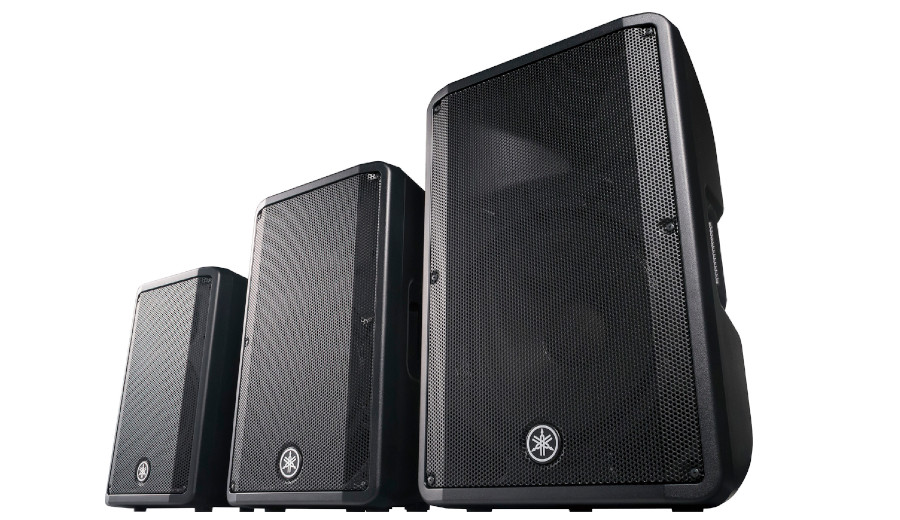
Yamaha speakers tend to feature clean, professional designs that blend easily into fixed installations. Their DZR and DXR series, for example, combine lightweight construction with strong enclosures and high-end components.
QSC speakers, on the other hand, are built like tanks. The K and KW series have rugged enclosures and solid handles, perfect for mobile setups and touring rigs. They’re designed to take physical punishment while maintaining acoustic integrity.
Verdict
Yamaha fits better in permanent installations like boardrooms, churches, and performance halls. QSC shines in mobile or live event environments that demand endurance.
3. Sound Quality and Performance
Let’s talk tone — where preferences truly divide.
- Yamaha Sound:
Yamaha focuses on clarity and neutrality. The highs are crisp, mids are balanced, and lows are tight but not overemphasized. They sound “studio clean.” This makes them ideal for speech reinforcement, acoustic music, and corporate presentations. - QSC Sound:
QSC systems deliver punchy lows and bold projection. They often sound more “aggressive,” making them perfect for DJs, live bands, and outdoor setups. The frequency response is tailored for impact — you feel the sound as much as you hear it.
Verdict
Choose Yamaha for precision and QSC for energy.
4. Technology and Features
Yamaha:
Yamaha integrates DSP (Digital Signal Processing) and FIR-X tuning across its premium lines, allowing phase-accurate sound and better system protection. The DZR series even supports Dante audio networking, giving installers and engineers modern control over routing and monitoring.
QSC:
QSC leads with its Intrinsic Correction™ DSP, which fine-tunes the output in real time for consistent performance. The K.2 series allows custom presets, onboard EQ, and limiter settings. QSC also connects seamlessly with Q-SYS, their integrated platform for AV control and monitoring — ideal for enterprise and large installations.
Verdict
For smart, networked systems, QSC takes the lead with its Q-SYS ecosystem. For musical, transparent DSP tuning, Yamaha’s FIR-X technology is unmatched.
5. Pricing and Value
Yamaha:
Generally more affordable across similar performance tiers. A Yamaha DXR15, for example, can cost a few hundred dollars less than a comparable QSC K12.2, without sacrificing professional quality.
QSC:
QSC speakers command a higher price tag — but you’re paying for extreme reliability, premium build, and customer support. For touring professionals or rental companies, the investment often pays off over time.
Verdict
Yamaha wins on price-to-performance. QSC wins on longevity and ROI for heavy users.
6. Applications and Best Use Cases
| Use Case | Recommended Brand | Reason |
|---|---|---|
| Corporate Boardrooms | Yamaha | Natural, balanced sound |
| Houses of Worship | Yamaha | Clarity for speech & vocals |
| Live Concerts | QSC | High SPL and durability |
| DJ Events | QSC | Deep low-end and impact |
| Studios & Education | Yamaha | Accurate frequency response |
| Touring / Rentals | QSC | Ruggedness and reliability |
7. After-Sales Support and Warranty
Both brands provide solid support globally, but QSC is often praised for its 6-year warranty on powered speakers — an industry benchmark. Yamaha offers 3 years on most models, extendable in some regions.
Soundville and Consult Ltd (www.soundville.com.ng) partners with both manufacturers, ensuring clients across Nigeria and beyond get authentic gear, technical installation, and warranty-backed service.
8. Final Verdict — Which One Should You Choose?
There’s no single “winner” here — only the right choice for your application.
- Choose Yamaha if you value clarity, balance, and musicality. Perfect for corporate installations, studios, and worship centers.
- Choose QSC if you need rugged power, flexibility, and loud performance. Ideal for concerts, live shows, and rental fleets.
Whichever direction you go, remember:
Soundville and Consult Ltd can help you design, supply, and install your complete AV solution — from speaker selection to full venue tuning.